Exit to daysoft.com


Contact Lens Care During Cold and Flu Season: What You Should Know
As the colder months arrive, so too does cold and flu season – and with it, the sneezes, sniffles and eye irritation that can make wearing contact lenses feel uncomfortable or even risky. For new and experienced lens wearers alike, understanding how illness can affect the eyes, and how daily disposable contact lenses can help, is essential.
In this article, we explore practical strategies to maintain eye health while staying comfortable through the season.

Why cold and flu season affects your eyes
Winter brings a noticeable shift in our daily habits. Shorter days and colder temperatures often mean more time indoors, increased screen use and less fresh air. These changes can affect your eyes, from dryness to irritation, especially if you wear contact lenses. For a deeper dive into protecting your eyes this season, check out our winter eye health guide.
At the same time, our immune systems are under more strain, making us more prone to seasonal bugs. These factors together can have both short- and long-term effects on our eye health.
And when a cold strikes, contact lens wearers need to take extra care. Sneezing, a runny nose, and rubbing your eyes can transfer bacteria and viruses directly onto the eye’s surface. This can lead to irritation, redness or infection. Recognizing these risks and making small adjustments to your routine can help keep your eyes comfortable all winter long.
Common winter eye issues (and how to handle them)
When the temperature drops, your eyes work harder to stay healthy. Here are the most common seasonal eye concerns and what you can do to manage them.
1. Colds, flu and contact lens wear
Why lens wearers should pay attention: sneezing, runny noses and eye rubbing can transfer bacteria and viruses directly to the eye, increasing the risk of irritation or infection for contact lens users.
What helps:
-
Wash your hands frequently, especially before inserting or removing lenses.
-
Avoid touching your eyes if you are sneezing or have a runny nose.
-
Do not share towels or tissues – germs can linger on soft surfaces.
-
Be alert to early signs of infection – redness, pain or blurred vision should prompt a visit to your eye doctor or optometrist.
-
Never wear lenses when your eyes are red, sore or irritated.
-
Switch to eyeglasses while recovering from a cold.
-
Consider daily disposable lenses if you’re prone to infections.
2. Conjunctivitis (pink eye)
How it feels: red or bloodshot eyes, puffiness, a burning sensation and possible sticky or crusty eyelashes in the morning.
Why it happens in winter: viral conjunctivitis is often linked to colds and flu – the same viruses that travel quickly in close indoor spaces at this time of year. It spreads easily through hands, tissues and shared surfaces.
What helps:
-
Wash hands frequently and avoid rubbing your eyes.
-
Use warm compresses to soothe discomfort.
-
Avoid sharing towels, pillows or eye makeup.
-
If symptoms persist or worsen, see your eye care professional for assessment.
3. Dry eye
How it feels: grittiness, soreness, itchiness or redness – sometimes with blurry vision.
Why it happens in winter: cold wind and dry indoor heating both reduce moisture on the eye’s surface. Increased screen time also lowers blink rate, which can make dryness worse. Left untreated, dry eye can begin to affect the cornea, leading to more persistent discomfort.
What helps:
-
Use preservative-free lubricating eye drops regularly.
-
Stay hydrated with plenty of water throughout the day.
-
Practice the 20-20-20 rule when on screens (every 20 minutes, look 20 feet away for 20 seconds). For more tips on healthy screen habits, check out our full blog on screen use and eye care.
-
Consider a humidifier in your bedroom to add moisture to the air.
-
Wear wrap-around sunglasses outdoors to protect from wind.
Why daily disposables are your best ally
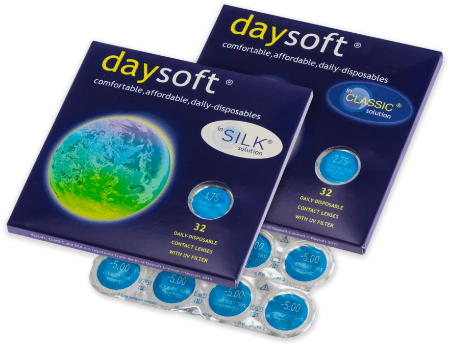
daysoft daily disposable contact lenses are designed with hygiene, comfort and ease at their core.
Why daily disposables matter in winter
During winter – when colds, flu and allergies are more common – this becomes especially important. Because you start each day with a fresh, sterile pair, there’s no opportunity for bacteria, viruses, allergens or debris to linger on the lens surface. There’s also no storage case or cleaning solution involved, which removes one of the most common sources of contamination.
Healthy eyes, all day long
daysoft lenses are made with high oxygen permeability, which helps maintain a healthy ocular surface and supports long-term comfort. Their moisture-retentive design ensures the lens surface stays smooth throughout the day, reducing that tired, gritty feeling that can become more noticeable when you’re not feeling well or spending more time indoors with heating and screens.
Comfort, confidence and peace of mind
If you’re prone to irritation, wearing daily disposables can be a simple yet powerful way to protect your eye health, while still enjoying the freedom and clarity of lens wear. It’s a small daily change that makes a big difference to comfort, confidence and peace of mind.
When to seek professional advice
Even with the best hygiene, infections can happen. If you notice persistent redness, pain, discharge or blurred vision, remove your lenses immediately and consult an optometrist or doctor. Early intervention can prevent minor irritation from becoming a serious infection.
Cold and flu season doesn’t have to mean uncomfortable or unhealthy eyes for contact lens wearers. With simple hygiene practices, a little awareness and the daily reassurance of daysoft daily disposable lenses, you can keep your eyes healthy and your vision clear, even when sneezes are unavoidable. Discover the difference of fresh lenses every day – explore daysoft daily disposable contact lenses for comfort, hygiene and peace of mind.