Exit to daysoft.com


There’s a particular kind of comfort that arrives with winter: the soft thud of nightfall at 4 pm, the instinct to cocoon, the irresistible urge to curl up on the couch and surrender to “just one more episode”. But here’s the rub – while our bodies appreciate the ritual, our eyes are far less enchanted. Longer evenings indoors mean more hours spent under artificial light, more screens glowing in the dark and more exposure to the kind of blue light that leaves your vision feeling scratchy, tired and strangely overstimulated.
Most of us don’t think twice about late-night emails, doom-scrolling or falling asleep to the glow of a tablet. But your eyes notice. But when natural daylight is scarce and our habits pull us deeper into digital worlds, eye strain in winter becomes even harder to ignore.
In this article, we answer a big question – is blue light bad for your eyes – and explore the small, smart habits that can help protect your vision throughout the darker months. The goal isn’t to abandon your cozy winter rituals – it’s simply to make them easier on your eyes.

What is blue light?
Let’s begin with the basics. Blue light sits at the short-wave, high-energy end of the visible spectrum, neighboring the ultraviolet rays we already know can affect our skin and eyes. That alone isn’t a red flag; blue light is as old as daylight itself, and humans have evolved under its glow since long before we invented reading lamps, laptops or binge-worthy box sets.
The concern isn’t blue light in nature – it’s blue light at proximity and in excess. In modern life, we often take in concentrated doses from screens just inches from our faces, for hours at a time, and often long after the sun has set. In other words: it’s not the wavelength that’s new. It’s the way we consume it.
Is blue light bad for your eyes?
Blue light has become a recurring character in health debates and, depending on the headline, it’s either a modern menace or utterly harmless. The truth, as usual, sits somewhere in the middle.
Current research suggests that blue light from screens is unlikely to cause retinal damage – a common fear – but it can contribute to visual fatigue and interfere with your natural sleep-wake rhythms.
Here’s the reassuring part: evidence for permanent eye damage is remarkably thin. Some of the most frequently cited “proof” comes from studies where researchers exposed retinal chemicals to blue light in ways that simply don’t occur inside a living human eye, an American Academy of Ophthalmology article shows.
Human studies under realistic, everyday conditions are still limited because LED technology is relatively young. But the consensus among ophthalmologists is steady: there’s little reason to panic.
Recognizing eye strain in winter
Even if blue light isn’t silently destroying your retinas, your eyes can still feel the strain, especially during the darker winter months. Shorter days, longer nights and more time spent in front of screens mean your eyes are working harder than usual.
Long hours on devices can lead to computer vision syndrome – a collection of eye and vision-related problems caused by prolonged screen use. The effects can be subtle at first, but they add up over time.
Common symptoms of computer vision syndrome and eye strain in winter include:
-
Dry or irritated eyes – a gritty, uncomfortable sensation after long screen sessions
-
Blurred or fluctuating vision – difficulty focusing clearly, particularly after extended reading or device use
-
Headaches or tension – often starting around the temples or behind the eyes
-
Eye fatigue – a general heaviness or soreness around the eyes
-
Increased light sensitivity – screens or bright lights feel harsher than usual
-
Difficulty concentrating – struggling to maintain focus during digital tasks
Recognizing these signs early is the first step to protecting your eyes, preserving comfort and making winter screen time more manageable. To reduce strain, consider your monitor setup and lighting environment:
Look for natural light
Winter mornings can be dark and gray, and by 4 pm it often feels like night. Morning light is particularly important for regulating your circadian rhythms, so try to spend a few minutes outside, even if it’s just by a window.
Indoors, position your workspace near natural light sources, use mirrors to reflect daylight around the room and let your skin catch the light when possible – it’s a simple way to energize and reset your eyes.
Ditch the harsh overheads
Bright ceiling lights on gloomy winter days create jarring contrast that tires the eyes. Embrace low, warm lighting: table lamps, twinkly lights and candles create a cozy, comfortable environment for work, dinner or family time. This softer, layered lighting reduces glare and makes your eyes feel less strained.
Seek a monitor screen for eye strain
Position your monitor correctly to reduce the risk of fatigue and discomfort. Keep your screen about an arm’s length away, with the top of the display at eye level. Adjust brightness and contrast to a comfortable level, and use warm, indirect lighting rather than harsh overheads.
Small adjustments like these can make a noticeable difference over long hours and are one of the easiest ways to protect your eyes while working or scrolling.
Take regular breaks
Follow the 20-20-20 rule: every 20 minutes, look at something 20 feet away for 20 seconds. This gives your eyes a chance to relax and prevents the stiffness and fatigue that builds up from prolonged focus. This is just the tip of the iceberg: take a deep dive on How To Avoid Eye Strain.
Use blue-light and warm screen settings wisely
While blue-light filters and warmer screen tones won’t protect your retina from long-term damage, they can improve visual comfort and help maintain your circadian rhythm in the evenings. Use them to reduce strain and support better sleep after a long day of digital work.
Try daily disposable contact lenses
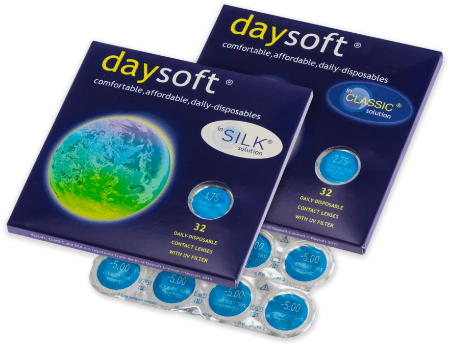
For contact lens wearers, switching to high-quality daily disposable lenses can reduce irritation and dryness, especially during winter months when indoor heating dries out the air. daysoft lenses offer comfort without additional cleaning or maintenance, leaving your eyes fresh throughout the day.
Keep up your routine eye exams
No amount of screen adjustments replaces routine eye exams. Regular check-ups ensure your prescription is up to date and help detect any underlying issues early. Your optometrist can also provide personalized advice for lens wearers and screen use.
Small changes make a big difference
By combining ergonomic screen habits, blue-light filtering and comfortable lens wear, you can protect your eyes this winter without sacrificing your lifestyle. Taking a few mindful steps today keeps your vision comfortable for the months ahead. Discover how daysoft daily disposable contact lenses can make winter screen time easier on your eyes.